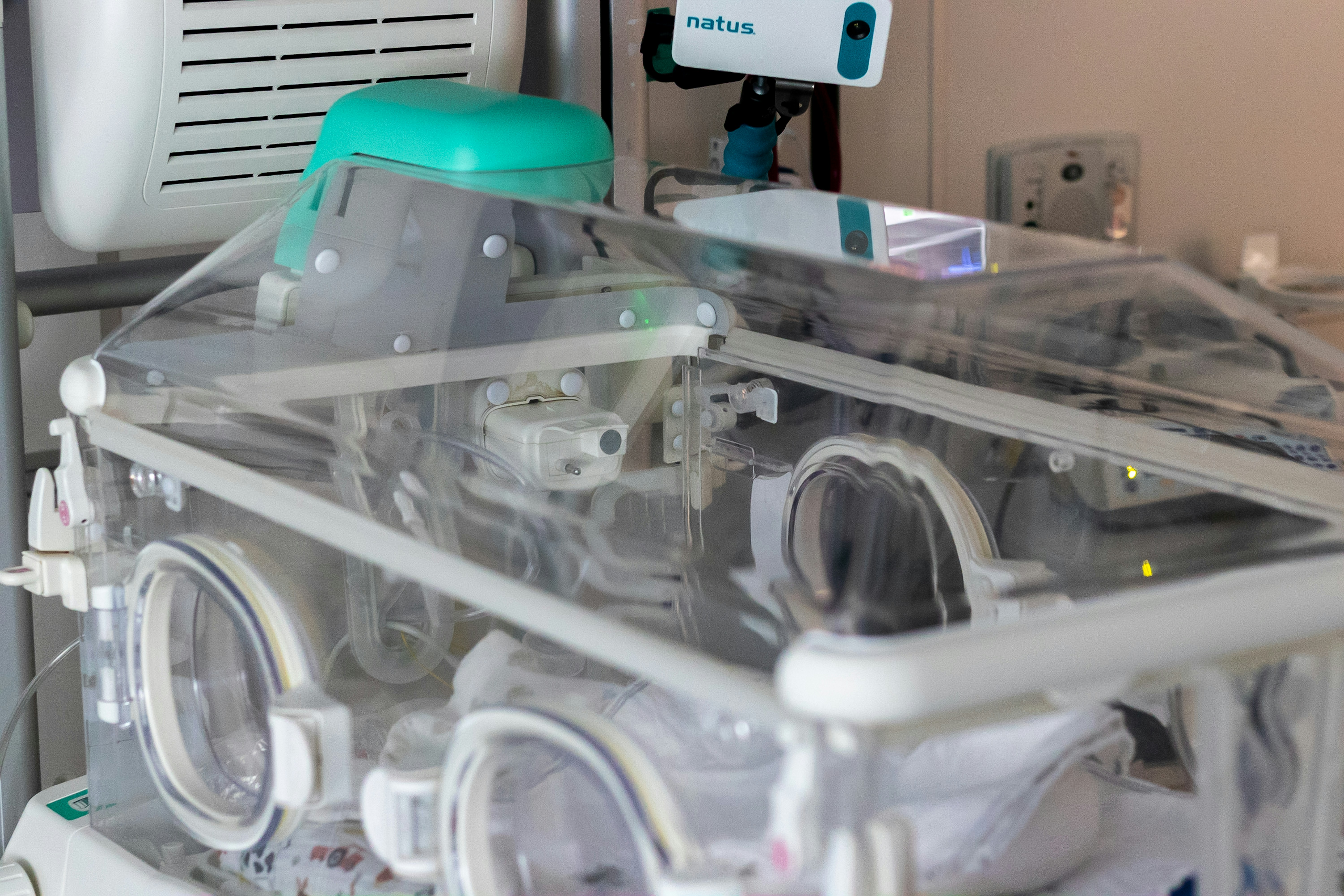
Picture this: you’re sitting beside an incubator at 3 a.m., listening to monitors beep, memorizing numbers you never wanted to learn. Everyone keeps asking how the baby is doing. Almost no one asks how you are doing.
If that sounds familiar, you are not alone, and you are not overreacting. Parents of infants in the NICU experience high rates of depression, anxiety, stress, and trauma, and they deserve real support, not just a questionnaire.
Let’s talk about what that support can look like, and why moving beyond meal trains and basic mental health screening matters so much.
The Emotional Weight of a NICU Stay
A NICU admission is a layered emotional experience, and many parents are carrying several things at once. You may be grieving the birth you imagined while also being terrified for your baby’s health. You may be separated from your infant, unsure when you can hold them, and asked to make medical decisions you never prepared for.
Researchers describe common experiences for NICU parents, including fear about their baby’s health, an unexpected or traumatic birth, separation from their infant, disrupted bonding, and difficult medical decisions. For some families, these experiences can have lasting effects on mental health.
Here is what I want you to know - grief and hope can exist at the same time, even if that feels impossible. You can be deeply grateful for the nurses and doctors caring for your baby and feel heartbroken, angry, or numb. You can celebrate a tiny milestone and still lie awake afraid of what comes next. None of that makes you ungrateful or weak. It makes you human.
Why Parent Mental Health Matters for the Whole Family
Supporting parents is part of supporting infants. When a baby is critically ill, the medical team rightly focuses on the baby. But parental mental health can shape parent-infant bonding, how involved parents feel in their baby’s care, and how the transition from the NICU to home unfolds.
Taking care of your emotional health is not selfish. It’s part of caring for your baby and your family. And while friends and family can be great supports by providing things like meals so the parents don’t have to, the support can’t stop there.
Screening Is a Start, Not a Finish Line
Screening can help identify parents who are struggling, but on its own it doesn’t help anyone feel better. The American College of Obstetricians and Gynecologists recommended screening for depression and anxiety during pregnancy and the postpartum period in 2015, which raised awareness of perinatal mood and anxiety disorders (PMADs).
The challenge is what happens next. In a 2024 survey of Children’s Hospitals Neonatal Consortium NICUs published in the American Journal of Perinatology, only 41% of responding centers screened with validated tools, and only 38% had NICU-dedicated mental health personnel. Repeat screening practices varied widely, too.
In other words, a parent might fill out a questionnaire, score high, and then wonder, “Now what?” Screening without a path to support can leave families feeling just as alone as before.
What Actually Helps NICU Parents
The research is encouraging: psychotherapy and emotional support show some of the strongest benefits for NICU parents. A 2026 systematic review and meta-analysis in JAMA Pediatrics looked at 160 studies involving more than 16,000 parents and found that psychotherapy and emotional support had the most consistent benefits, reducing symptoms of anxiety, stress, and depression.
The same review found that family-centered care and education also reduced anxiety and stress, and that interventions supporting parent-infant bonding reduced anxiety.
You might think of support as a series of steps:
Step 1: Everyone Deserves Basic Support
Every NICU family can benefit from clear information, being included in their baby’s care, opportunities for bonding and parent-infant contact, and someone checking in on their emotional well-being while providing a hot meal.
Step 2: Some Parents Need More
If anxiety, sadness, or trauma symptoms are making daily life harder, individual therapy can offer a steady place to process what you’re going through. A therapist who specializes in perinatal mental health understands the unique pressures of the NICU: medical jargon, guilt, hypervigilance, and the strange limbo of being a parent without being able to parent the way you pictured.
Step 3: Some Families Need Specialized Care
When symptoms are severe, such as overwhelming depression, panic, or trauma reactions that won’t let up, evaluation and treatment from clinicians with perinatal and reproductive expertise is important. Reaching for this level of care is a sign of strength.
Practical Ways to Care for Yourself Right Now
You don’t have to fix everything today. A few small things can help:
- Name what you’re feeling. Fear, guilt, sadness, anger, and numbness are all common. Naming them takes away some of their power.
- Ask for specifics. Ask your care team about social workers, chaplains, parent support groups, or mental health resources at your hospital.
- Protect small pockets of rest. Even 20 minutes of real rest, a meal, or a walk outside counts.
- Lean on one safe person. Choose someone who can listen without trying to fix or rush you toward “silver linings.”
- Notice delayed reactions. Many parents hold it together during the NICU stay and then feel everything once they’re home. That’s common, and help is still available.
If you are having thoughts of harming yourself, or you feel unsafe, call or text 988 (the Suicide & Crisis Lifeline) or go to your nearest emergency room. Postpartum Support International (PSI) also offers a helpline and peer support groups for parents.
You Deserve Support, Too
The NICU experience can change how you see yourself, your relationships, and your sense of what parenthood is supposed to look like. Working through that shift doesn’t have to happen alone.
If you’re a parent who has had a baby in the NICU, whether you’re in the thick of it now or you’re months or years out, I’d be honored to support you. I offer telehealth counseling for perinatal and fertility mental health to clients in New York, Connecticut, Massachusetts, and Florida. Reach out through my website, ashleymead.com, whenever you’re ready. There’s no wrong time to ask for help.
Source: Nonacs R. “Beyond Screening: Supporting the Mental Health of NICU Parents.” MGH Center for Women’s Mental Health, October 2026, which summarizes research including Niehaus Milligan et al., JAMA Pediatrics (2026), and Lagoski et al., American Journal of Perinatology (2025).